Accessorizing With Scarves: Small Fabric, Big Style Impact
Published in Fashion Daily News
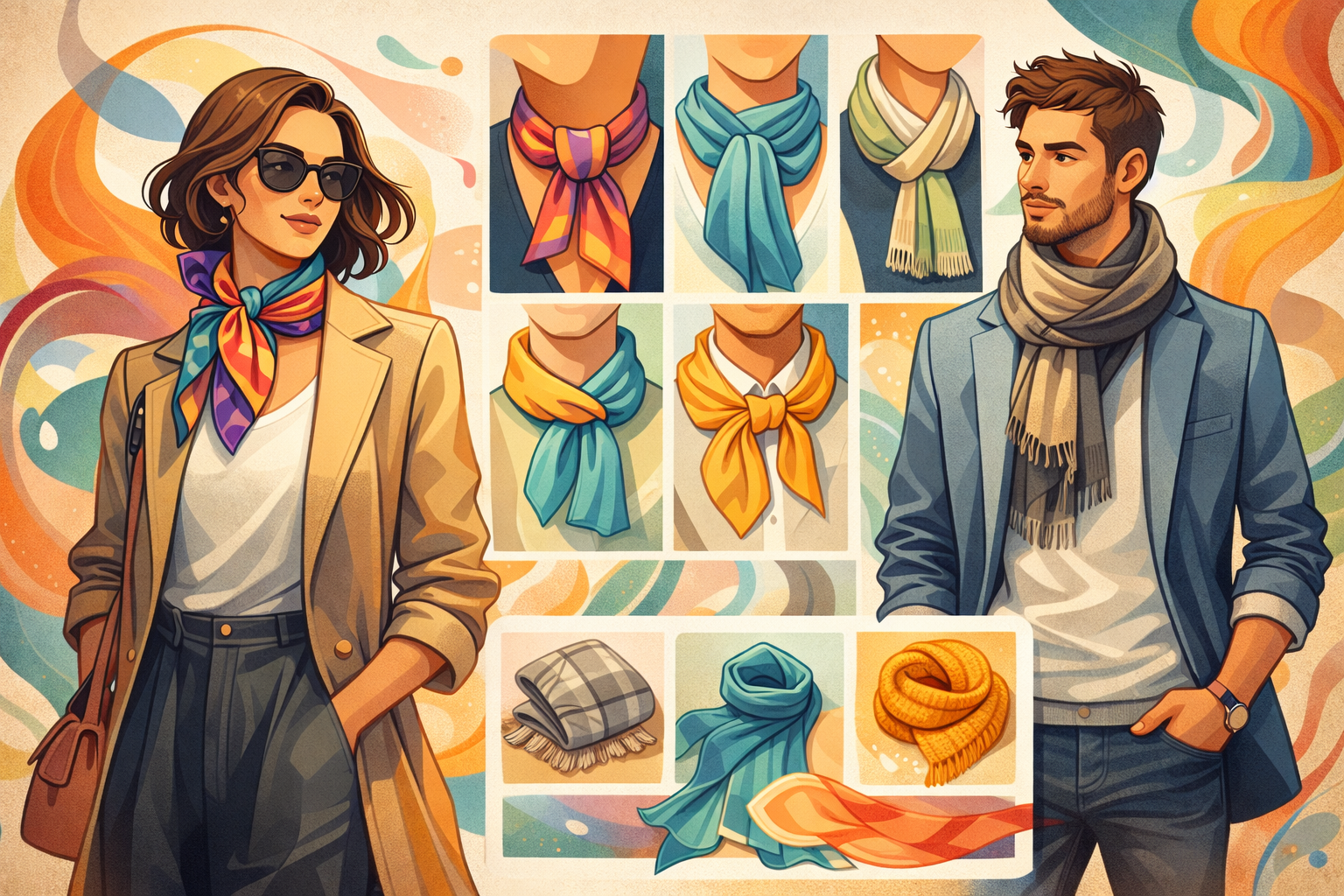
In an era of fast fashion and endless trends, the humble scarf remains one of the most reliable tools in personal style. It is lightweight, portable, relatively inexpensive, and endlessly adaptable. A single scarf can shift an outfit from casual to polished, from practical to expressive, often in seconds.
More than decoration, scarves function as visual connectors. They tie colors together, soften sharp lines, and offer subtle ways to signal mood and personality. Whether wrapped for warmth or draped for flair, they remain one of the simplest ways to elevate everyday clothing.
Why Scarves Still Matter
Scarves have survived centuries of fashion cycles because they solve multiple problems at once. They provide warmth without bulk, color without commitment, and variety without replacing an entire wardrobe.
A jacket or dress may be worn dozens of times. A scarf changes how it looks each time. For travelers, commuters, and budget-conscious shoppers, that flexibility is invaluable.
Scarves also occupy a rare middle ground between accessory and garment. They are visible, but not overpowering. They can lead an outfit or quietly support it.
Choosing the Right Fabric
Fabric determines how a scarf behaves.
Silk and satin scarves drape fluidly and reflect light. They work well with tailored clothing, dresses, and professional settings. Cotton and linen scarves feel relaxed and pair easily with casual wear. Wool and cashmere provide insulation and structure, making them ideal for cold weather layering.
Season matters. Heavy knits in summer look misplaced. Sheer scarves in winter feel ineffective. Matching fabric weight to climate keeps the look grounded in reality.
Texture is equally important. Smooth scarves complement structured outfits. Rougher weaves balance softer silhouettes.
Using Color and Pattern Strategically
Scarves are often the easiest place to introduce color.
For neutral wardrobes, a patterned or bright scarf becomes a focal point. For colorful outfits, a muted scarf provides visual rest. Both approaches are valid when done deliberately.
One reliable method is color echoing. If a scarf includes blue, repeating that blue in shoes, jewelry, or bags creates cohesion. Another method is tonal dressing, using different shades of the same color family for a calm, modern effect.
Pattern mixing works best when scale varies. Pairing a large-print scarf with small-pattern clothing avoids visual conflict.
Basic Styling Techniques
How a scarf is worn matters as much as which scarf is chosen.
The simple loop — folded and pulled through itself — looks clean and works in professional settings. Loose draping feels relaxed and suits casual environments. Knotted styles add structure and intentionality.
Length influences proportion. Long scarves elongate the torso. Short scarves draw attention upward. Wide wraps create volume and warmth.
Experimentation is encouraged. Small changes in folding or placement often produce surprisingly different effects.
Scarves in Professional Settings
In offices and formal environments, scarves function as soft power.
They add personality without violating dress codes. A silk scarf under a blazer introduces color near the face. A neatly wrapped wool scarf maintains polish in winter.
Avoid excessive bulk, fringe, or overly loud prints in conservative settings. The goal is enhancement, not distraction.
A Practical Guide for Men
Men increasingly use scarves as functional style tools rather than decorative afterthoughts.
For casual wear, lightweight cotton or wool scarves pair well with denim, sweaters, and jackets. Neutral colors — gray, navy, olive, camel — integrate easily into existing wardrobes.
In business or formal settings, simple wool or cashmere scarves in solid colors work best. They complement coats without competing for attention.
Length should allow at least one full wrap without excessive draping. Overly long scarves can appear theatrical in everyday contexts.
Men who are new to scarves can begin with one versatile piece and build from there. Mastery comes quickly with practice.
Care and Longevity
Proper care extends a scarf’s life.
Silk should be hand-washed or dry-cleaned. Wool benefits from gentle washing and air drying. Storage matters; scarves should be folded or loosely rolled, not crushed into drawers.
Rotating scarves prevents uneven wear and fading.
Well-maintained scarves can last decades, becoming personal style signatures.
Why Scarves Endure
Trends rise and fall. Scarves remain.
They adapt to changing silhouettes, climates, and cultural shifts. They accommodate individuality without demanding excess. They work for all ages, genders, and budgets.
In a fashion landscape often driven by novelty, scarves represent something rarer: reliability with room for creativity.
They are proof that sometimes the smallest pieces carry the greatest expressive weight.
========
Lena Marrowfield is a lifestyle and fashion journalist who writes about personal style, sustainable wardrobes, and everyday design choices. She is based in Chicago and contributes regularly to regional and national publications. This article was written, in part, utilizing AI tools.





Comments